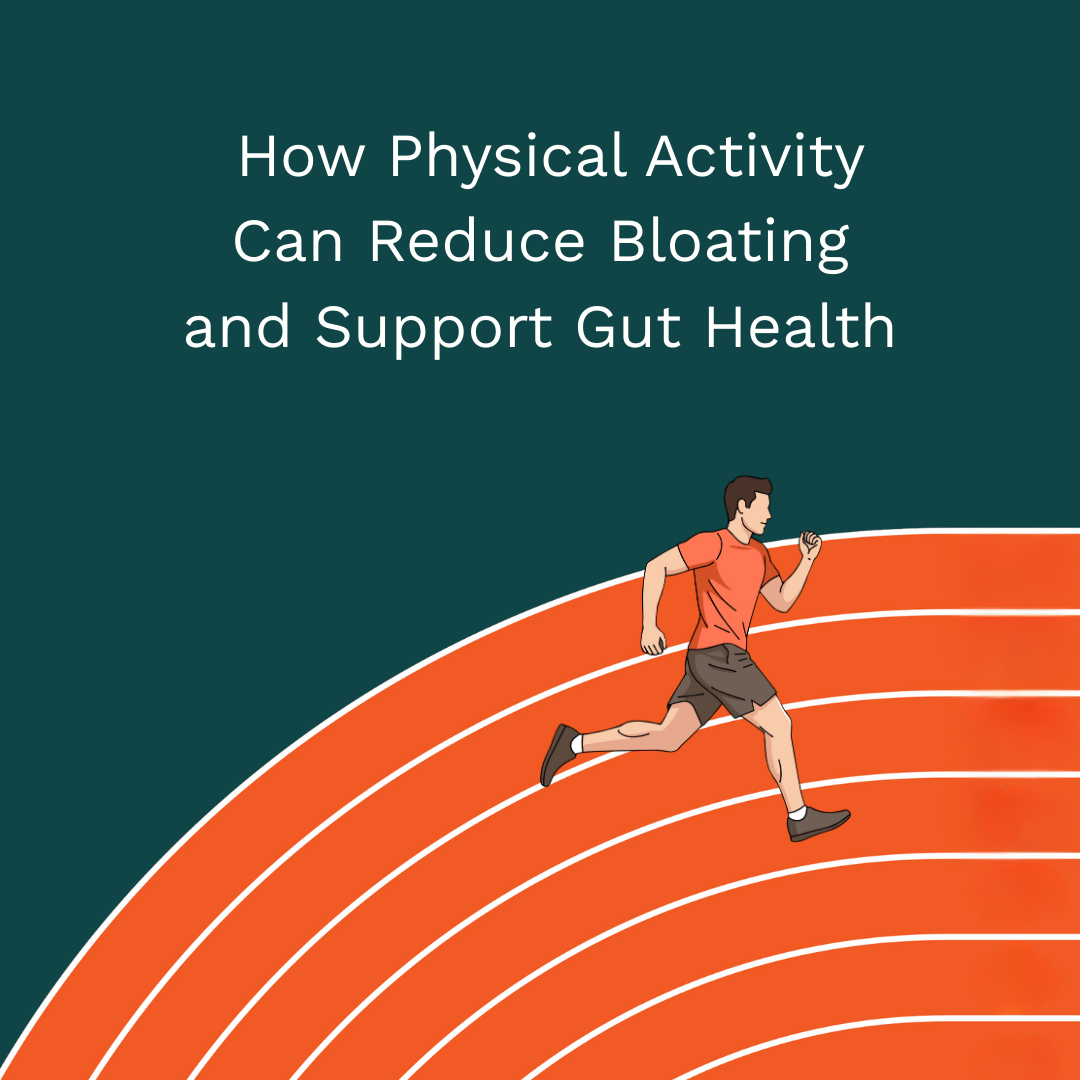
How Physical Activity Can Reduce Bloating and Support Gut Health
Living with Irritable Bowel Syndrome (IBS) often involves managing symptoms such as abdominal pain, bloating, constipation, diarrhoea, or a combination of these. While nutrition strategies like the low FODMAP diet often receive the most attention, physical activity is another evidence-supported tool that can play a meaningful role in symptom management.
Exercise is not a cure for IBS, but the right type and amount of movement can support digestion, regulate stress, and improve overall wellbeing, all of which are closely linked to how IBS symptoms present and how severe they feel.
Why exercise can help IBS
IBS is considered a disorder of gut–brain interaction. This means symptoms are influenced not only by the digestive tract, but also by the nervous system and stress responses. Because exercise affects both the body and the brain, it can indirectly support symptom control.
Regular movement helps stimulate natural contractions of the intestines, known as gut motility. For people with constipation-predominant IBS, this can support more regular bowel movements. Gentle activity may also assist with moving gas through the digestive tract, which can reduce bloating and discomfort.
Another important factor is stress. Many people with IBS notice their symptoms worsen during stressful periods. Physical activity is well recognised for supporting mental health and helping regulate stress hormones, which may reduce the likelihood or severity of flare-ups. Exercise is also associated with better sleep and energy levels, both of which influence how symptoms are experienced day to day.
How much exercise is useful?
You do not need high-intensity training to see benefits. For IBS, consistency and tolerance matter more than intensity.
General public health guidelines often suggest around 150 minutes of moderate activity per week, but starting smaller is completely appropriate. Even 10–20 minutes of movement on most days can be beneficial, particularly if you are building up from a low baseline. The goal is to find a level that feels manageable and sustainable.
Moderate intensity usually means you can hold a conversation but would find it difficult to sing. This level tends to be well tolerated by many people with IBS.
Which types of exercise are best?
Low-to-moderate intensity activities are often the most comfortable for people with sensitive digestive systems. Walking is one of the simplest and most studied options. A short walk after meals can gently stimulate digestion and may help reduce bloating.
Yoga and stretching can be particularly helpful when stress is a trigger. Many people find that the breathing and relaxation components are just as beneficial as the physical movement itself. Swimming and cycling are also suitable options, offering aerobic benefits without excessive impact on the body.
Strength training can be included if it feels comfortable, but very heavy lifting or straining may aggravate symptoms for some individuals. Starting with lighter resistance and focusing on good breathing technique is generally better tolerated.
Does timing matter?
Timing can influence comfort levels. Vigorous exercise immediately after a large meal can increase pressure within the abdomen and may provoke symptoms in some people. Allowing one to two hours after a substantial meal before intense activity is often more comfortable.
On the other hand, gentle walking after eating can support digestion and may help with gas clearance. Some people also find that morning movement helps regulate bowel patterns, although this varies between individuals.
What about exercising during a flare?
During symptom flares, it is common for tolerance to change. High intensity workouts may feel uncomfortable, and it is reasonable to scale back. Gentle stretching, slow walking, or restorative yoga can provide benefits without placing too much demand on the body.
It is also important to listen to your body. Rest is appropriate when symptoms are significant, and pushing through discomfort is not usually helpful for IBS.
When to seek medical advice
Exercise related discomfort that is mild and occasional can be normal, but persistent abdominal pain, dizziness, unintended weight loss, blood in the stool, or new and worsening symptoms should be discussed with a healthcare professional. These signs are not typical of IBS alone and warrant review.
Key take-home message
Exercise is a supportive strategy for managing IBS, particularly through its effects on stress regulation and gut motility. The most helpful approach is one that is regular, moderate, and realistic for your lifestyle.
If you are currently inactive, even 10 minutes daily is a useful start. For IBS, consistency and tolerance are more important than hitting a perfect number.
If you are unsure where to start or your symptoms are unpredictable, an Accredited Practising Dietitian or your healthcare professional can help tailor an approach that suits your individual needs.