

Beyond IBS – is the low FODMAP diet the best solution for PCOS and Endometriosis too?
Irritable Bowel Syndrome (IBS), Polycystic Ovarian Syndrome (PCOS) and Endometriosis are three conditions that share similar symptoms. Although we traditionally associate the low FODMAP diet with IBS, since PCOS and Endometriosis share a significant symptom overlap, the diet may be able to support individuals across all three conditions. Today we’re going to explore the links between the three conditions, how and why the low FODMAP diet may be beneficial for symptom management, and other strategies that may help.
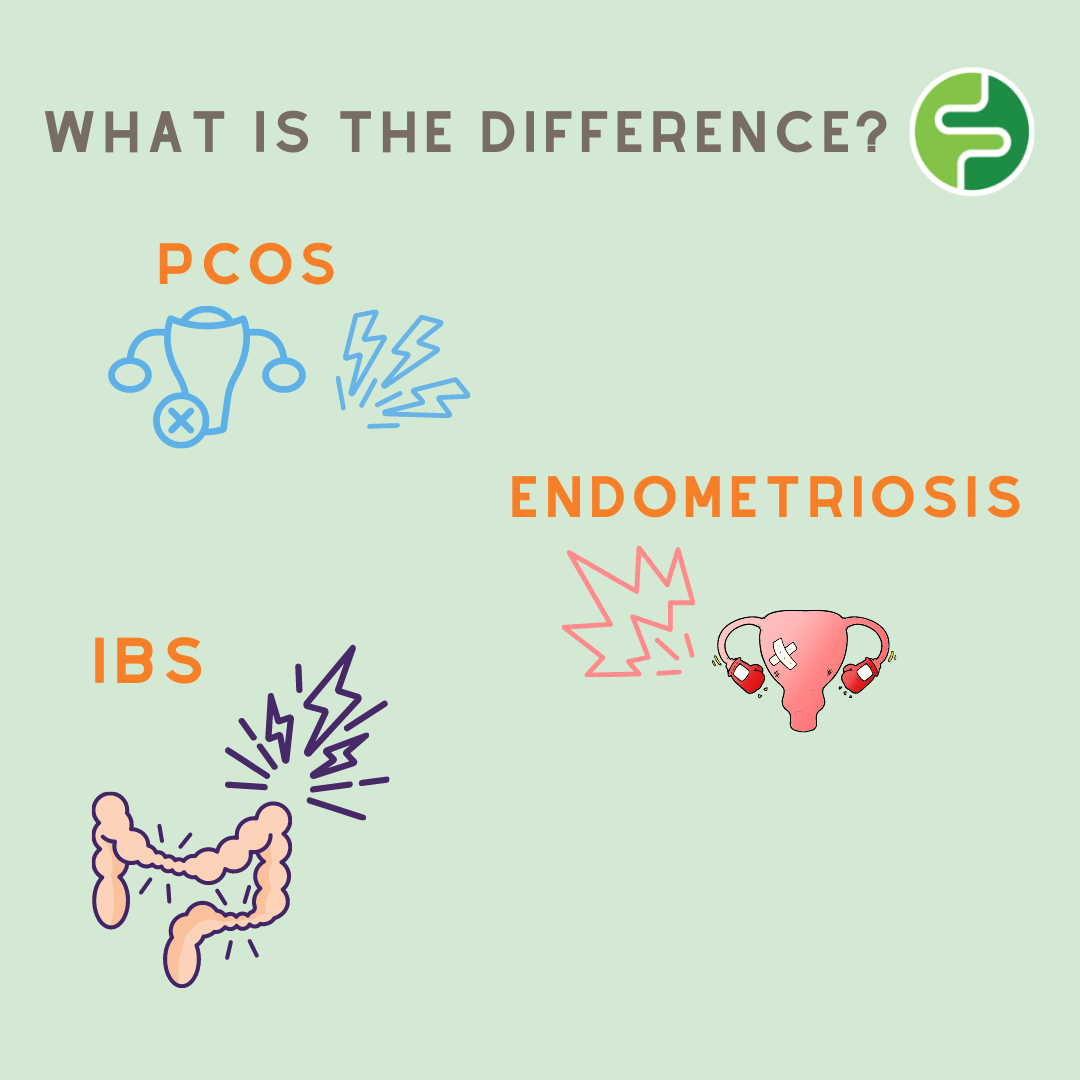
What is the difference between IBS, PCOS and Endometriosis?
We have already written a comprehensive article detailing the definitions and links between IBS, PCOS and Endometriosis, which you can explore here. Below is a quick recap on the three conditions:
IBS is what we call a ‘functional’ gastrointestinal disorder – meaning that the gut looks ‘normal’ under a microscope. However, the symptoms experienced by the 1 in 7 people diagnosed with IBS worldwide are very real. IBS is more commonly diagnosed in women than men.
PCOS is a complex hormonal disorder with no real cause or cure. Women with PCOS have difficulties with their menstrual cycle, excess testosterone and/or develop follicles on their ovaries (‘polycystic ovaries’) leading to a failure to ovulate.
Endometriosis is a chronic, inflammatory condition that can cause significant pain to the sufferer. The pain is usually felt because tissue that is only meant to be found in the uterus starts growing in other areas of the body, such as the ovaries and fallopian tubes. The cells of this tissue will often ‘talk’ to the hormones associated with the menstrual cycle, which triggers inflammatory pain responses.
How are the conditions linked?
The conditions are linked in two key ways. The first way is that they are often ‘comorbid’ – meaning that it is not uncommon for people (typically women) to have a diagnosis of IBS and either PCOS or endometriosis. Secondly, women with Endometriosis or PCOS commonly experience bowel related symptoms including diarrhoea with period, bloating, fluctuation between constipation and diarrhoea. Do these symptoms seem familiar to you? That’s because they overlap with common IBS symptoms.
A common symptom of all three conditions is visceral sensitivity. Visceral sensitivity refers to sensitive nerve endings, which can lead to a heightened response to pain. Unfortunately, visceral sensitivity can lead to a lower pain tolerance for abdominal or pelvic pain, exacerbating symptoms. Because IBS, Endometriosis and PCOS share symptoms, it has been suggested that when making a diagnosis of IBS in a woman, endometriosis and PCOS needs to be excluded first.
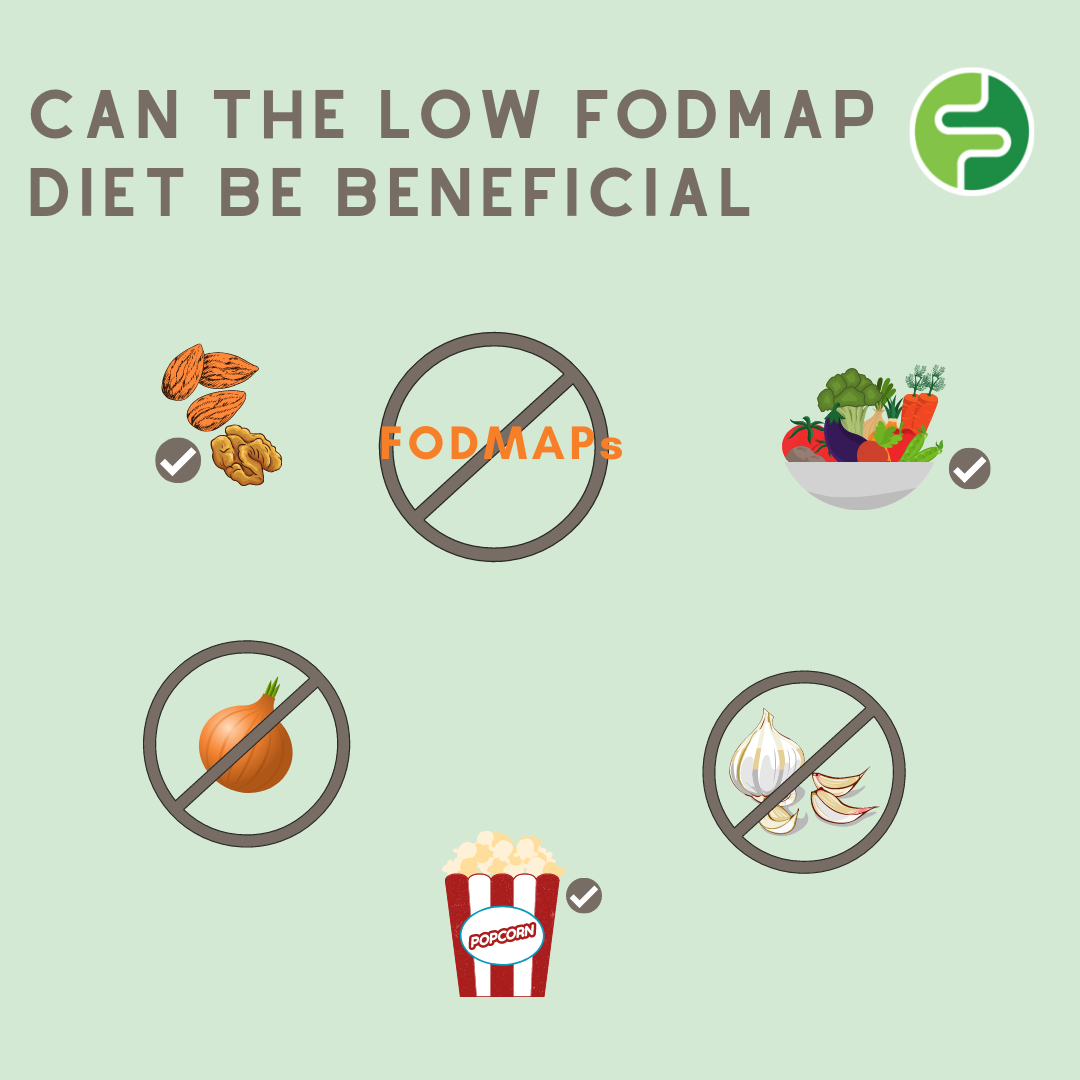
Can the low FODMAP diet be beneficial to manage symptoms related to these conditions?
Although diet can’t cure IBS, Endometriosis or PCOS, it can help relieve bowel related symptoms. However, it is important to investigate diagnoses of Coeliac or Crohns disease before making drastic dietary changes.
Women with Endometriosis or PCOS often have a sensitised bowel and FODMAPs may be irritants. It is helpful to know that some foods may be disturbing, disruptive and interfere with quality of life. Hence, it can be very helpful to know which foods make symptoms worse. Therefore, working with a Dietitian to notice how FODMAPs may impact pain symptoms can be helpful. Other foods that may cause disturbing symptoms such as bloating and diarrhoea include high fat foods, alcohol, coffee, fizzy drinks, highly spiced foods, additives and preservatives. You can learn more about how these foods may impact IBS symptoms in the blog posts linked above.
The overlap between Endometriosis, PCOS and IBS demonstrate that it is important not to self-diagnose your symptoms. If you suspect you may have IBS, book an appointment with a Doctor and get a proper diagnosis before making dietary adjustments. A low FODMAP diet may control your bowel symptoms, but mask the underlying condition, leading to the wrong diagnosis. For example, a woman who has uncomfortable bowel symptoms may think she has IBS and goes on the low FODMAP diet without medical consultation. In the short term, she may experience relief, but could find out later that her bowel symptoms were actually due to Endometriosis or PCOS. Left untreated, Endometriosis and PCOS can have serious health implications such as subfertility.
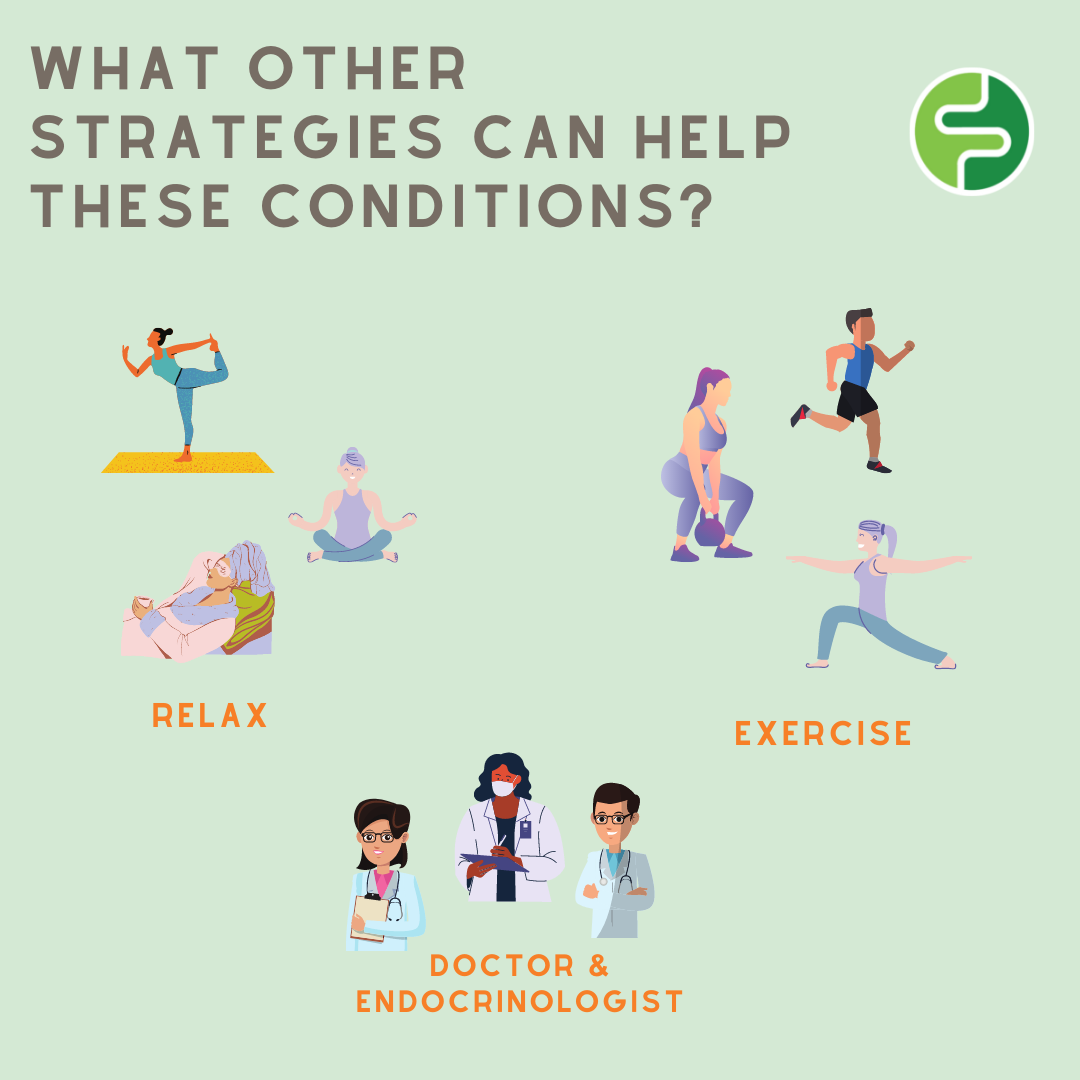
What other strategies can help these conditions?
IBS, PCOS and Endometriosis are multi-faceted conditions. Don’t forget that the low FODMAP diet is not the only strategy proven to be effective in symptom management. Stress management and regular movement in addition to dietary changes often produce the best results as this three-pronged approach encompasses our physical, mental and social health. You can read more about regular movement specifically for those with IBS here.
For women who suspect they may be experiencing PCOS or Endometriosis, it may be worth seeing an Endocrinologist. This is a specially trained doctor who is a hormone specialist with is generally considered the specialist for PCOS and Endometriosis. Endocrinologists have the training to diagnose and treat hormone imbalances by helping to restore the normal balance of hormones in the body. However, seeing your General Practitioner is a good place to start and they will be able to refer you on to the appropriate specialist.
Finally, a FODMAP-specialised Dietitian is a great person to have on your team. A Dietitian can perform a full patient assessment, including a symptom assessment and diet. They will be able to answer all your FODMAP questions, and help you choose the best course of action when it comes to the way in which you’d like to implement the diet.
In summary
IBS, PCOS and Endometriosis may be relatively common conditions, but they are not normal. If you think you may be suffering from the symptoms of any of these conditions, it is important to consult a Doctor and get properly diagnosed in order to work out the best treatment plan. Since the bowel symptoms of Endometriosis and PCOS overlap with those experienced in IBS, a low FODMAP diet may help relieve digestive discomfort. However, it is important to also work with a gut-health specialised Dietitian to ensure that you are not cutting food groups out necessarily and can manage the digestive consequences of both your diagnoses.
Written by: Charlotte Barber (Student Nutritionist)
Reviewed by: Ijmeet Maan (Accredited Practising Dietitian)