
Research suggests the low FODMAP diet is the most effective nutritional management for those with IBS. Many have found managing IBS symptoms like diarrhoea, constipation, bloating, cramping and excess flatulence with the low FODMAP diet successful but there are a few things you should keep in mind before you start!
1. Consult Your GP First
Firstly, see your GP about your symptoms. There are a number of medical conditions which have similar symptoms to IBS. It is important to rule out any conditions such as Inflammatory Bowel Disease, Coeliac Disease and Bowel Cancer. Once you the GP has ruled out other conditions and diagnosed you with IBS, you can seek a referral to a FODMAP specialist dietitian for dietary advice to manage your IBS symptoms through nutrition.

2. See A Dietitian And Set Up A Follow Up Appointment To Review Your Symptoms
The low FODMAP diet is not straight forward. There are 3 phases:
- Phase 1: Elimination
- Phase 2: Challenge/Re-Introduction
- Phase 3: Maintenance/Individual
It is important to move through all three phases, as eliminating FODMAP containing foods long term has shown to cause changes to the gut microbiome. Dietitians will also assess any non-FODMAP related causes for gastrointestinal symptoms. This holistic approach will ensure that all areas in your diet are conducive to the best symptom management for your IBS.
Make sure you follow up with your dietitian in a few weeks time for a review consultation so they can assess whether the low FODMAP diet has improved your symptoms. If so, they can guide you through phase 2 and 3 of the diet. If you are looking for a FODMAP specialist dietitian in your area, download the FODMAP Friendly app for a list of dietary specialists all around the world.
3. Know Where To Find Credible Information On FODMAPs
The FODMAP Friendly app is a great resource for anyone following the low FODMAP diet. It has a database of over 600 foods including FODMAP Friendly certified products. With our app, you can check if a food is high or low in FODMAPs from the convenience of your smart phone device.
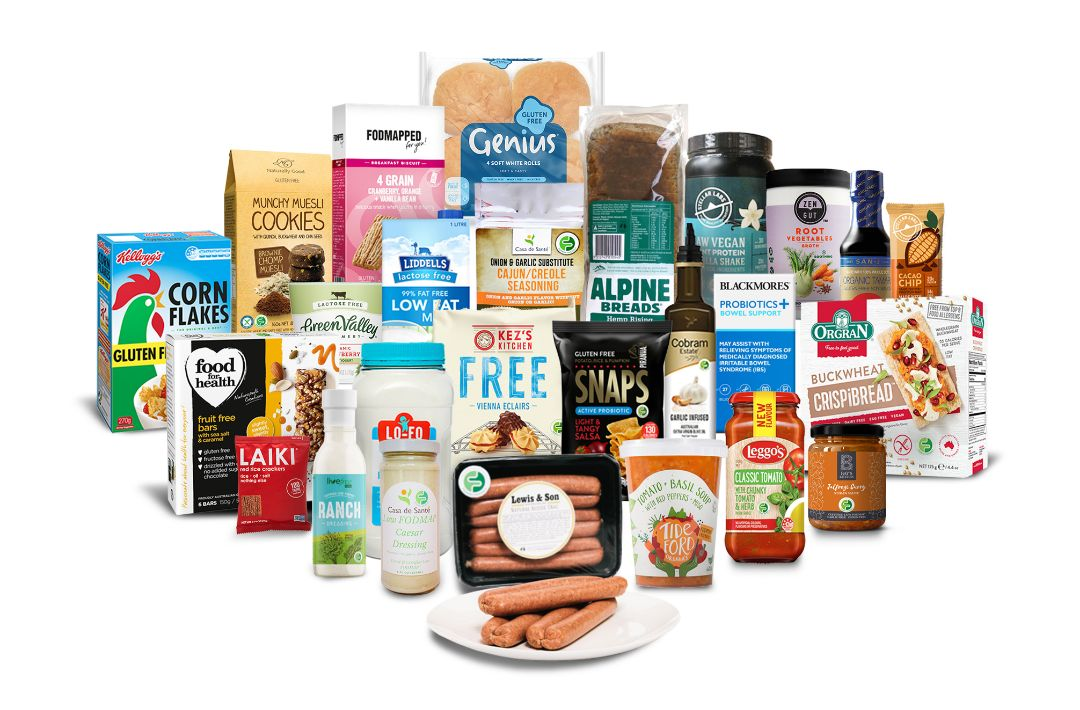
The FODMAP Friendly logo signifies that a products has been laboratory tested to be low in FODMAPs and therefore, safe to consume when following the low FODMAP diet. There are over 50 certified brands with over 400 FODMAP Friendly certified products for fodmappers to eat when following the diet. Check our the range of certified products on our website!
We share recipes and educational posts via our many social media channels. We have a facebook page (@fodmapfriendly), Instagram page (@fodmapfriendlyfoodprogram) as well as a monthly newsletter which we send out to fodmappers with new certified products that they can eat safely on the low FODMAP diet.
In addition to our own FODMAP Friendly resources, some other great places to find information on the low FODMAP diet and recipes are:
- https://www.fodmapeveryday.com/
- https://www.katescarlata.com/
- https://alittlebityummy.com/
- https://www.fodmapdietetics.com.au/
Check out The FODMAP Friendly Kitchen Cookbook!

4. Watch Your Serving Sizes
Serving sizes are key to following the low FODMAP diet correctly. Low FODMAP foods may become high in FODMAPs is you consume too many serves. For example, rolled oats are considered low in FODMAPs at a 1/2 a cup. However, a full cup of rolled oats is considered high FODMAP. In order to ensure you are consuming safe serves of low FODMAP foods, make sure you check the FODMAP Friendly app.
The FODMAP Friendly app is also a useful tool to calculate compounding FODMAP levels if cooking a recipe with multiple ingredients.

5. The Low FODMAP Diet Does Not Work For Everyone
The low FODMAP diet is effective at managing symptoms for 75% of those who have IBS. For the remaining 25%, your dietitian will walk you through alternate therapies for IBS management. Some other therapies that have shown promising results for IBS symptom management are:
- Gut directed hypnotherapy
- Cognitive Behavioural Therapy
- Stress and anxiety management
- Yoga and other exercise
Your dietitian will be able to assess if you have followed the diet correctly and establish what other management strategies are suitable for you.
Good luck on your low FODMAP journey!