
World Alzheimer’s day is coming up on the 21st of September, therefore we would like to spread awareness about Alzheimer’s Disease and provide functional tips on how to promote brain health in conjunction with a FODMAP diet.
What is Alzheimer’s Disease?
Alzheimer’s Disease is an irreversible brain disease related to impaired memory, thinking and behaviour. It is the most common cause of dementia in older adults; with nearly 7 out of 10 adults with dementia having the Alzheimer’s type.
Alzheimer’s Disease works by impairing brain cells (neurons) in their ability to store memories, learn habits, and impacts on behavioural changes overtime.
The two main types of Alzheimer’s Disease include:
– Sporadic Alzheimer’s: The most common form of Alzheimer’s and usually occurs over 65 years of age. Its cause is not fully understood.
– Familial Alzheimer’s: Sometimes known as “hereditary” and is caused by a rare genetic condition categorised by a mutation in one of several genes. It can occur as early as 40 or 50 years of age.
The signs and symptoms of Alzheimer’s include:
– Memory loss and confusion
– Poor judgement
– Repeating questions
– Wandering and getting lost
– Difficulty with language, organizing thoughts and thinking logically
– Overtime: Increased sleeping and loss of bowel and bladder control
Risks when one has Alzheimer’s disease
Proper nutrition is important for a strong mind, body and soul. It is important to ensure those with Alzheimer’s have adequate nutrition, as well as achieve good social interaction and exercise regularly for physical health.
The risks associated with nutrition when one has Alzheimer’s include poor appetite and subsequent weight loss. It is often that appetite can be reduced in people with Alzheimer’s, and the reasons behind this include the inability to recognise food, some people have poor fitting dentures, some medications may reduce appetite and some people may experience a decrease in the sense of taste and/or smell. Additionally, those with Alzheimer’s may experience chronic dehydration likely due to forgetting to drink water or other liquids throughout the day.
Recommended diet for a healthy brain to minimise any risks of Alzheimer’s Disease
The recommendations for a healthy brain to reduce the risk of Alzheimer’s Disease include
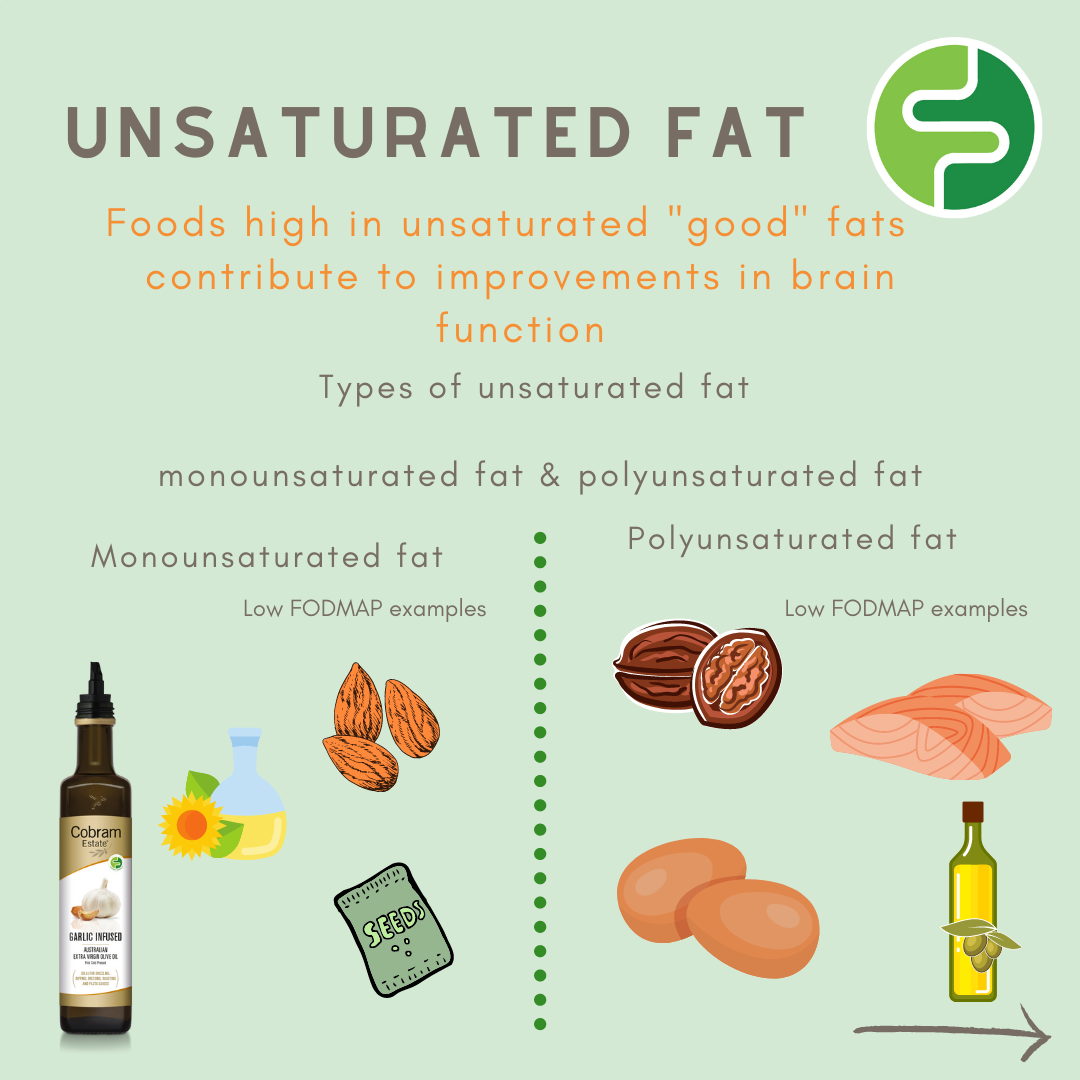
– Incorporating healthy fats into the diet i.e. monounsaturated fat and polyunsaturated fats
o Unsaturated fats improve brain function
o Foods high in monounsaturated fat include nuts, seeds and avocado
o Foods high in polyunsaturated fat include extra virgin olive oil and oily fish like salmon, trout or mackerel.
– Incorporating higher intakes of omega-3 fats
o Foods high in omega-3 fats include oily fish – sardines, salmon and mackerel
o Nuts and seeds including flaxseed (linseed), hemp seeds, eggs and walnuts
– Incorporating more foods high in antioxidants and B group vitamins
o Antioxidants neutralise chemical in the body known as free radicals, which may negatively contribute to brain cell death in Alzheimer’s disease
o Foods high in antioxidants include: berries, kale, pecans and dark chocolate
o B group vitamins like B12 and B9 (folate) help with cell metabolism and thus help with brain function.
o Foods high in B12 include: meat, shellfish and some fortified breakfast cereals
o Foods high in folate include: sunflower seeds, leafy greens like spinach, kale and some fortified breakfast cereals
– Reduce consumption of foods high in saturated fat
o Saturated fat i.e. ‘bad’ fats can increase the risk of developing brain diseases like Alzheimer’s as it can increase the production of chemicals in the body which cause damage to the brain
o Foods high in saturated fat include: butter, meats, full fat dairy products, coconut oil and palm oil.
It is important to recognise that no special diet is required to prevent brain health diseases. The above recommendations are a part of following a general healthy, nutritious diet.
The following tips for a healthy diet include:
– Eat a variety of nutritious foods
– Eat plenty of foods from all 5 food groups
– Limit red meat
– Eat oily fish twice a week
– Limit foods in saturated fat and sugar
– Drink plenty of water
– Reduce consumption of alcohol

Recommended lifestyle for those at risk of Alzheimer’s Disease
Lifestyle factors may also contribute to reducing the risk of Alzheimer’s disease.
Physical activity:
Physical activity is an important factor to maintain for good brain health. Introducing a regular exercise routine, whether that be a morning walk every day, scheduled classes at the gym or a regular swim at your local pool contributes to good brain health though an increase of blood flow to the brain and further growth of new connections between cells in many important areas of the brain.
Reducing alcohol and tobacco:
Excessive alcohol consumption overtime may lead to brain damage and thus increase the risk of developing brain diseases such as Alzheimer’s. However, those who drink alcohol within recommended guidelines are not at substantial risk of developing brain diseases. The Australian guidelines for alcohol consumption recommended limiting alcohol intake to no more than 2 standard drinks per day to reduce the overall risk of long term harm.
Tobacco consumption increases the risk of cardiovascular disease and increases stress and inflammation within the body. These have all been linked with increased risk of developing Alzheimer’s disease as they promote cognitive stress and degradation within the brain. It is recommended to cease all cigarette smoking to reduce the risk of Alzheimer’s disease.
Can you follow a diet that is good for brain health and IBS?
Yes! There are many ways to promote good brain health while also following a diet for IBS. The general recommendations for brain health i.e. introducing more healthy fats into the diet can be easily applied to those following a low FODMAP diet or similar.

For example,
Healthy Fats – Fish, nuts and oil
Including fish in the diet can be applied to those following a low FODMAP (or varied) diet. Fish generally contains low or no FODMAPs therefore it can be eaten in accordance with recommendations i.e. twice a week for good brain health. Our recommendations include:
100g cooked Salmon
100g cooked Mackerel
Low FODMAP nuts include:
30g Brazil nuts (~6 nuts) (~8g monounsaturated fat)
30g Almonds (1/4 cup) (~10g monounsaturated fat)
30g Pecans (1/4 cup) (~12g monounsaturated fat)
30g Walnuts (1/4 cup) (~14g polyunsaturated fat)
Inclusion of antioxidant rich foods:
Strawberries – (50g) 2.1 g of antioxidants per 100g
Kale – (30g ~1/2 cup chopped) 0.8g per 30g
Dark chocolate – (30g ~5 small squares) 5g per 30g
Inclusion of B-group vitamins
B12
Meat: beef, lamb, pork, poultry
Fish
Eggs (2 eggs)
B12 fortified foods: cereals, milk substitutes
B9 (folate)
Dark leafy greens – kale (30g), spinach (75g),
Eggs (2 eggs)
Seafood
Folate fortified foods: cereals, and breads
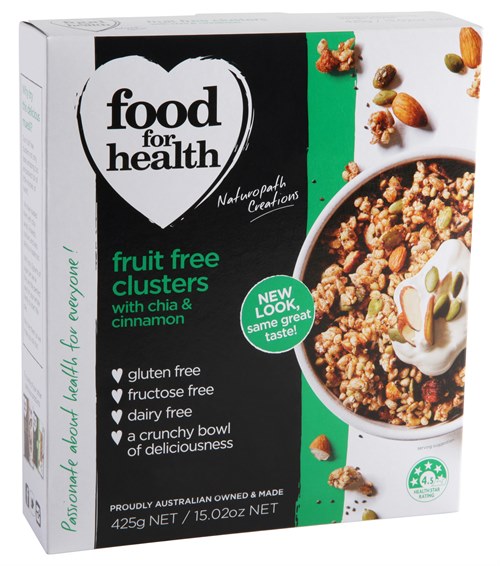
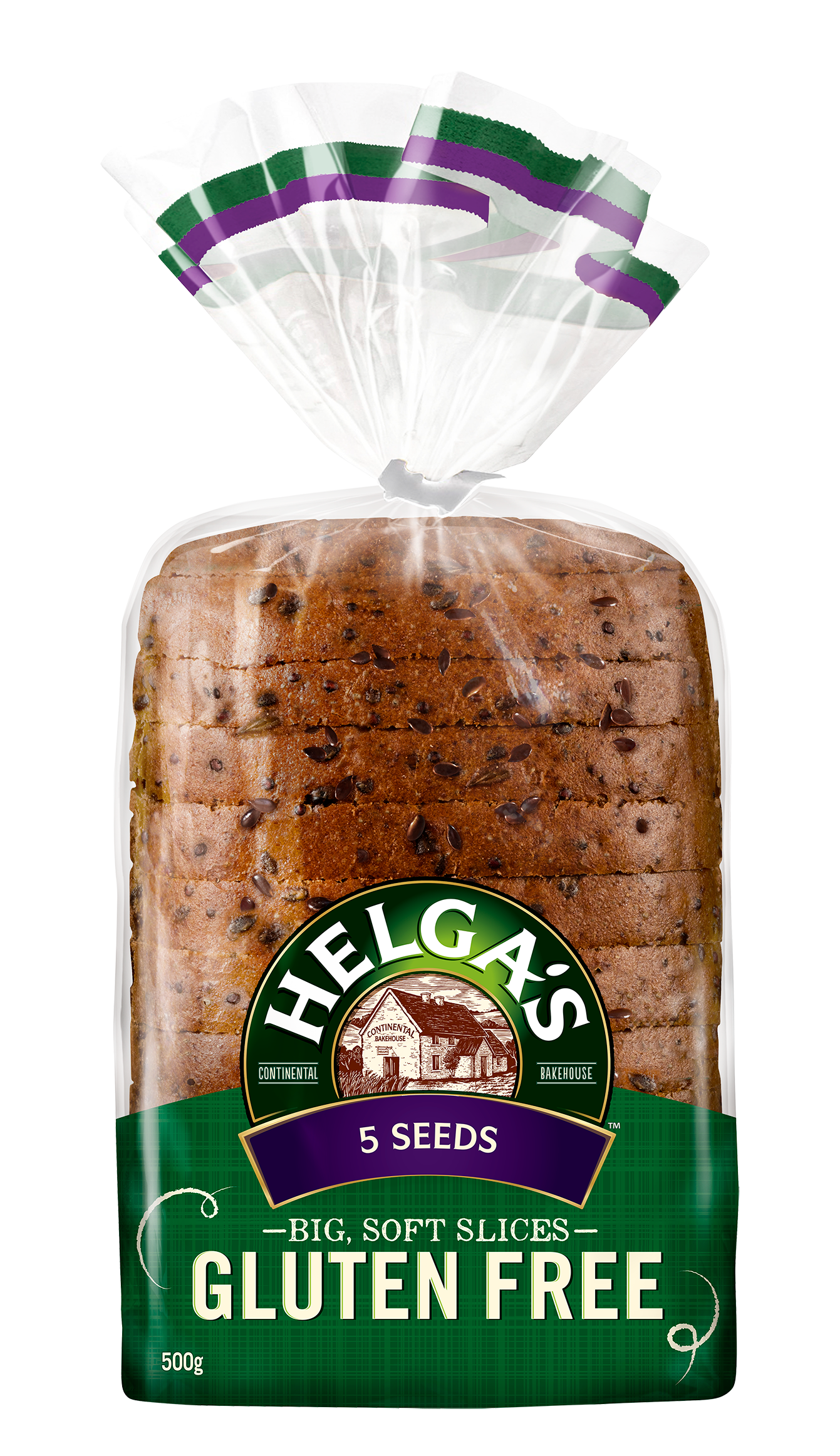
FODMAP Friendly certified foods good for brain health
Recipes
Salmon fillet with Middle Eastern vegetable quinoa
A fresh salmon recipe is a great option to support brain health. Include a range of vegetables and this will be packed full of antioxidants and unsaturated fat which supports good brain function.
Carrot cake with walnuts and linseeds
A sweet carrot cake recipe can be packed full of unsaturated fat with over 20g of unsaturated fat per serve! Try out this for an arvo snack with a cuppa!
Low FODMAP Savoury Pumpkin Muffins
Give this a go – these muffins make for a great treat!
In summary
To summarise, Alzheimer’s is a degenerative brain disease affecting much of the population, whilst there is no formal diet to prevent Alzheimer’s, it has been said following a diet high in Unsaturated fat (mono and polyunsaturated fat), Omega 3s and Antioxidants can actively reduce the risk of developing Alzheimer’s. Following a diet high in these nutrients should be achievable for those also following a diet in support of IBS symptoms. For further support seek professional help through a Dietitian for both low FODMAP diet as well as brain health.
Written by Kelly Bramble, Accredited Practising Dietitian
Reviewed by Kiarra Martindale, Accredited Practising Dietitian