

We have all heard of the term ‘gut feeling’ or felt the ‘butterflies in our stomach’. These expressions were coined for a reason. They are in fact real and occur as a result of the biological connection between the gut and the brain.
What is the gut-brain connection?
The gut-brain connection is a term used to describe the communication network that connects your gut and brain. It is a series of pathways between the enteric nervous system (gut) and the central nervous system (brain). This communication network also involves the autonomic nervous system.
The gut and the brain are mainly connected through the Vagus Nerve and Neurotransmitters:
The Vagus nerve
The Vagus nerve is responsible for communicating the information between your gut and your brain. It is the bridge that connects and sends signals between the two organ systems. It is the most important nerve in the body that you probably didn’t know you had!
Neurotransmitters
Your gut and brain are also linked through chemicals or messengers called neurotransmitters. The gut microbiome includes microbes, mainly bacteria, which live in your gut. These make many neurotransmitters that affect the brain, including brain function, cognition and memory and brain’s regulation of moods and feelings.
What happens in your gut happens in your brain
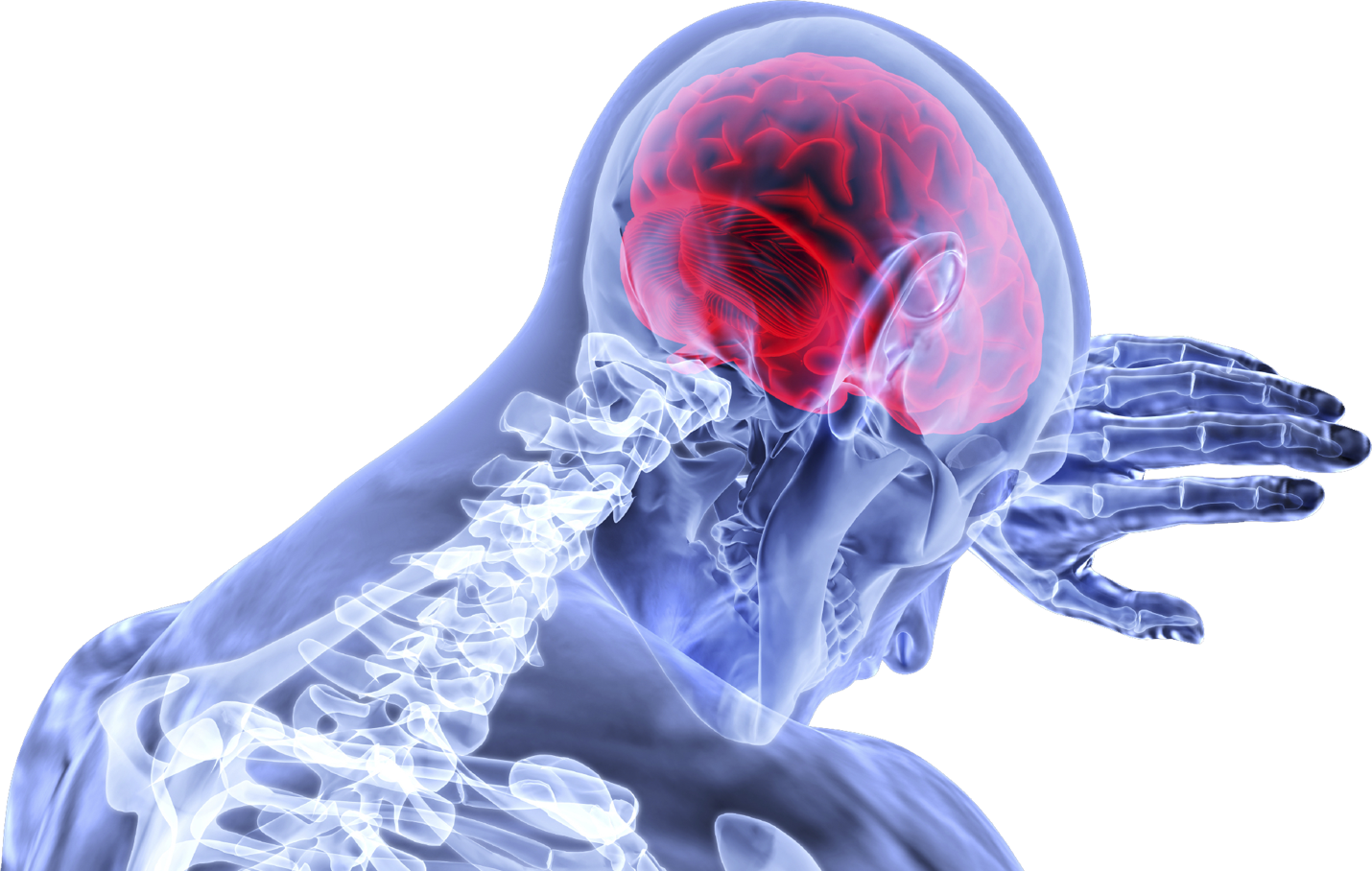
The two organ systems are constantly talking to each other through a series of pathways. Your brain may affect your digestive function, and your gut health may significantly affect your mood and sense of well-being.
Stress, anxiety, anger, excitement, happiness – all of these emotions can trigger symptoms in the gut. This explains why we may feel nauseated before giving a presentation or get diarrhoea or constipation during times of stress. We all experience varying symptoms.
The brain may affect the gut. Psychological stressors may affect how well your gut functions in response to food and the kinds of bacteria that thrive in it. Common stressors include financial concerns, health issues, relationship problems, trauma or moving house for example.
And vice versa; the gut may affect the brain. 40-60% of people with IBS often report experiencing depression, anxiety and other mood disturbances.
Your gut is ultimately your second brain.
The key player – gut microbes
The gut microbiome is believed to be the key player in the gut-brain connection and communication. 80% of your brain neurotransmitters are produced by the microbes in your gut!
These gut microbes can directly impact and be impacted by psychological factors, diet and external environmental toxins. Even early life stress may alter the composition of microbes in your gut. And a microbial imbalance (dysbiosis) in the gut is often reported in people with IBS. It is all linked!
Gut-brain connection in IBS
IBS is extremely prevalent but poorly understood. While the exact cause of IBS may be unknown, researchers believe that one of the contributing factors is disturbance in the gut-brain connection.
A study shows that people with IBS have a reduced Vagus nerve function and increased stress levels. This means that the Vagus nerve plays an important role in both the gut and the brain. In fact, IBS is viewed as the disorder of a gut-brain connection!
Tips to improve your gut-brain connection
Diet
The best and most effective way to improve the connection between your gut and brain is through nutrition. The right nutrients will not only stimulate the Vagus nerve function but also improve both systems simultaneously.
Prebiotic Fibre
If you aren’t eating right, chances are you aren’t thinking right. The foods you eat make up your gut microbes, and they take the centre-stage in your gut-brain relationship.
Your gut microbes depend on prebiotic fibre to stay healthy and happy. While prebiotics are often high in FODMAPs, they can still be included as a part of a low FODMAP diet in appropriate amounts. A few examples include a large unripe banana, ½ cup of rolled oats, 1 cup of rhubarb or ½ cup of canned lentils. Check the FODMAP Friendly App for serve sizes of each ingredient before adding it to your meals!
Tryptophan
This is an essential amino acid used in making melatonin and serotonin, hormones that play significant roles in the regulation of the gut-brain connection.
Melatonin (sleep hormone) controls the sending of information from your gut to the brain as well as the movement of food particles down your digestive tract.
Serotonin (happy hormone) does not only lift your mood but also has a direct effect on your intestinal function. This hormone is involved in the activation of nerves within the gut-brain connection, which affects the overall function of your intestine.
Some excellent sources of tryptophan include spinach, nuts, seeds, tofu, banana and poultry.
Vitamin B5
This is required to make serotonin as well as cortisol (stress hormone) and other important hormones in the body. All of these hormones are associated with stress management and essential for a healthy Vagus nerve function. You can get your vitamin B5 from mushrooms (high in mannitol), avocado, eggs, lentils, sunflower seeds and salmon.

Omega-3 fatty acids
These work on the autonomic nervous system to increase your Vagus nerve activity. This may reduce your heart rate and increase heart rate variability. No wonder omega-3s are considered an important ingredient of a heart-healthy diet!
Food sources of these fats include fatty fish, such as salmon, sardines, mackerel, nuts, seeds and plant oils.
Non-dietary approaches
In addition to certain foods and nutrients, there are non-dietary approaches that you could practice daily to optimise your Vagus Nerve function. This will benefit both your digestive and mental health!
Deep breathing and meditation help to stimulate the Vagus nerve function by sending a signal to the brain to turn up the ‘rest and digest’ state. When your body is in this calm state, the intestinal activity increases and your gastrointestinal tract relaxes.
Yoga and exercise: both forms of movement help to stimulate the Vagus nerve by putting your body straight into the relaxed ‘rest and digest’ state. This further improves gut function and mood.

Exposure to cold temperatures: exposing yourself to cold temperatures has shown to activate the Vagus nerve. As your body adapts to the cold, it switches to the old ‘rest and digest’ state. You could achieve this by drinking cold water, taking cold showers or rinsing your face with cold water.
In summary
Your gut and brain are connected through the Vagus nerve and neurotransmitters (messengers). Gut microbes play a major role in regulating the gut-brain connection, so it is important to feed them with prebiotic fibre. Certain nutrients have been shown to improve the Vagus nerve, which can in turn help relieve IBS symptoms and boost mental health. These include tryptophan, vitamin B5 and omega-3s. Other strategies that may help are deep breathing, meditation, yoga, exercise and cold exposure.
Written by Thimpika Sachdej (Registered Nutritionist)
Reviewed by Kiarra Martindale (Accredited Practising Dietitian)