When you think about wellbeing, what do you picture? Green juices and early morning runs? Perhaps a yoga retreat? There are many facets of wellbeing, and today on the blog we will be exploring a number of them and also provide you with some go-to tips to maximise and maintain your own wellbeing.

Wellbeing is a bit of a buzzword at the moment, but it’s an important one. That’s why there’s a whole week devoted to promoting awareness for it. From June 21-27 2021, World Wellbeing Week will be underway, creating awareness for all things wellbeing, including strategies and activities to foster positive wellbeing in a range of areas.
The word ‘wellbeing’ is thrown around a fair bit (especially following the year that was 2020), so let’s strip it back and find out exactly what it’s all about. Oxford Dictionary defines wellbeing as ‘the state of being comfortable, healthy or happy.’ While this is a good starting point, there is more to wellbeing than this description. Wellbeing means something different to everybody, and can include good physical and mental health, social inclusion and strong relationships, spiritual connectedness, intellectual wellness and even financial security.
Despite all dimensions of wellbeing being equally important, the main ones that we will be shining a spotlight on in this blog are mental and physical wellbeing.
Mental wellbeing
Mental wellbeing refers to your emotional and psychological health and includes your ability to cope with the stresses of everyday life, your ability to manage and regulate your emotions as well as feelings of self-worth and self-confidence.

Some tips for maintaining a good mental wellbeing include:
- Eating well – it’s been drilled into us that good food = good mood, but there really is truth to that old adage. Filling up on nutritious foods and drinking plenty of water does a world of good for your body and your mind.
- Making exercise fun – finding ways to move your body that bring a smile to your face makes it much easier to want to exercise! Why not try something new like bike riding, swimming or dancing to switch things up and get those feel-good endorphins pumping.
- Catch some zzz’s – we all know that sleep is important, but regularly getting enough shut-eye is crucial to keep you energised and alert.
- Finding ways to manage stress – whether it’s getting some fresh air outside, catching up with a loved one or getting stuck into a hobby, find something you enjoy that also helps to alleviate stress.
Speaking with a psychologist or someone you trust – remember, it’s okay not to be okay. If you’re feeling overwhelmed by your emotions, it might be a good idea to reach out and speak with someone to help you navigate your feelings. Headspace can be a good place to start.

Physical wellbeing
Physical wellbeing is another super important aspect of wellbeing. It refers to the ability and energy to perform daily tasks with relative ease and the absence of illness. But this doesn’t mean that having a physical disability or an illness stops you from being healthy!
There are some great ways to maximise your own physical wellbeing, and they’re pretty similar to the tips on good mental wellbeing. Some of these include:
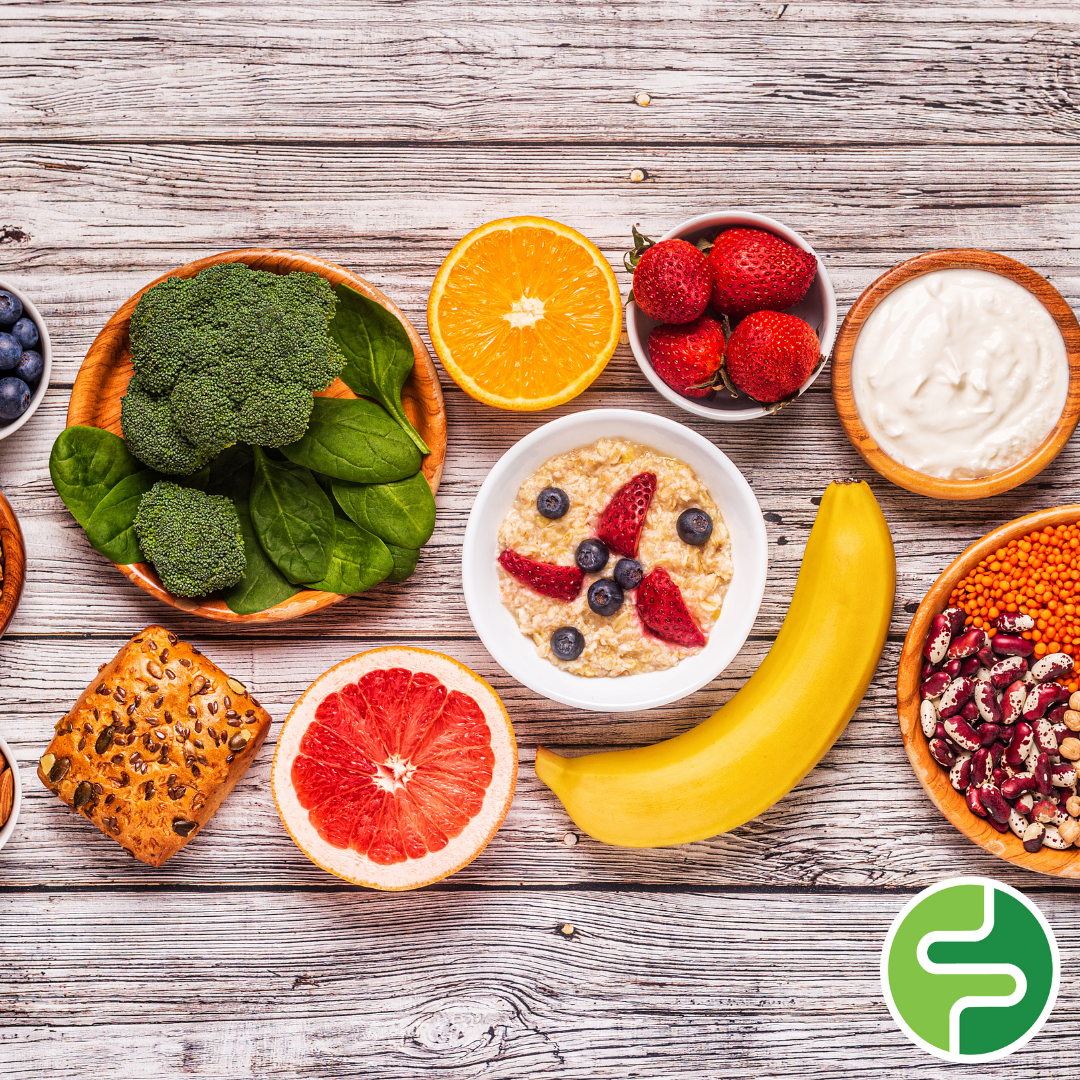
- Eating a variety of nutrient-dense foods, including fruits, vegetables, lean meats and fish, dairy and wholegrains, plus plenty of water. Of course, if you have IBS, optimal physical health means knowing your trigger foods and eating low FODMAP foods that minimise your digestive symptoms wherever possible.
- Regular exercise – whether it’s going to the gym, going for runs/walks, swimming, bike riding or something in between, the benefits of physical activity are endless. Aim for at least 30 minutes daily.
- Maintaining a regular sleep cycle to fight off fatigue and memory fog.
- Not putting off medical visits – much like speaking with a psychologist for good mental wellbeing, it’s important to reach out to medical professionals (GP, dentist etc.) for check-ups to maximise your physical wellbeing.
Mindfulness
A major tip we have to enhance both your physical and mental wellbeing is mindfulness. Mindfulness is the act of being present and centering your focus and attention on your thoughts and feelings in the current moment. It takes the judgment away from your thought patterns and allows you to see your feelings from a neutral standpoint, without distraction from the outside world.
Mindful activities can include (but definitely aren’t limited to):
- Meditation
- Breathing exercises
- Yoga
- Journaling and
- Practicing affirmations/mantras
Studies have shown that practicing mindfulness may be associated with reduced depressive symptoms, improved regulation of behaviour and emotions as well as improved overall wellbeing. On top of this, research has found that mindfulness may alleviate IBS symptoms, reduce pain and improve quality of life for those with chronic health conditions.
IBS and wellbeing
The findings of reduced IBS symptoms following mindfulness activities is important. Gaining control of your IBS and minimising digestive upset is key to improving your quality of life and overall wellbeing. There is a strong link between the health and happiness of our gut and the chemistry of our brain – it’s called the gut-brain axis, and we have a blog dedicated entirely to it! Check it out here).
When you’re following a low FODMAP diet that minimises your personal IBS flare-triggering foods, you’re more likely to experience reduced digestive discomfort. In turn, this typically results in less stress and anxiety because you’re not worrying about pinpointing the cause of your pain or where the nearest bathroom is. This reduced stress may mean you feel more confident and comfortable going out and socialising with friends and family, improving your social connectedness and boosting your mood. That sounds like good wellbeing to us!

To summarise
In summary, looking after yourself and fostering positive mental and physical health is important to improve overall wellbeing. Eating nutritious foods, participating in regular physical activity, getting enough sleep, seeking professional help and practicing mindfulness can be great ways to improve your wellbeing.
If you’re looking for further support and guidance in this area, we recommend seeing a Dietitian or a trusted health professional to help you optimise your wellbeing.
Written by: Amy Lilly, Dietitian
Reviewed by: Kiarra Martindale (Accredited Practising Dietitian)